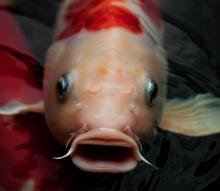
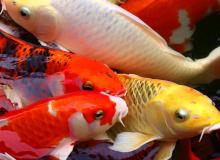
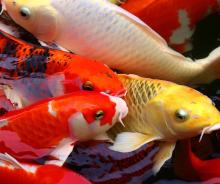
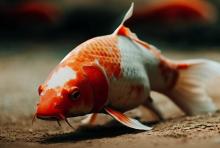
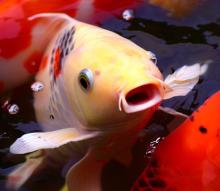
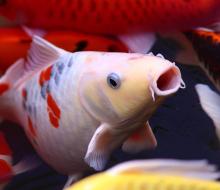
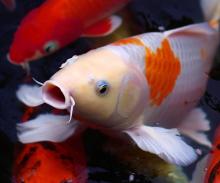
For those who are considering adding koi fish to their home aquarium or pond, a common question arises: are koi fish friendly? In this article, we will explore the behavior of koi fish and their interactions with humans to help answer this question.
There once was a koi named Jack who had a peculiar problem - he couldn't stop sneezing. Every time he would try to swim gracefully through the water, a sudden sneeze would come on, and he'd end up blowing Jack and making a scene.
Jack was so embarrassed by his sneezing problem that he started avoiding his fellow koi. He didn't want to sneeze in front of them and have them laugh at him. So, he spent most of his days hiding out in the far corner of the pond, trying his best to suppress his sneezes.
Leaks can be a common issue in koi ponds, and they can be frustrating to deal with. Leaks can lead to a loss of water, which can be harmful to your koi's health and can also be costly. In this article, we will explore how to stop leaks in a koi pond.
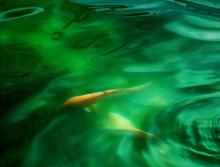
Maintaining the health and clarity of the water can be a challenge, especially when the water turns green. Green water is a common issue in koi ponds, and it can be caused by a variety of factors. In this article, we will explore the causes of green koi pond water and how to address this issue.
Temperature fluctuations can cause stress and illness in your fish, so it's important to maintain a consistent temperature in your pond. Here are some tips on how to minimize temperature fluctuations in your koi pond:
As a koi fish owner, it's important to have the right tools to maintain a healthy and comfortable habitat for your fish. Here are some essential tools for keeping koi:
In a peaceful koi pond, there lived a koi named Akeno. Akeno was a curious koi who loved to explore the pond and all its corners. One day, while swimming near the edge of the pond, Akeno looked up and saw a group of birds walking on the ground. Akeno had never seen anything like it before and was amazed at how easily they could move on land.
The koi in the pond were known throughout the town for their vibrant colors and graceful movements. They had lived there for years, swimming peacefully and bringing joy to all who visited.
One day, disaster struck. A powerful storm swept through the town, causing flooding and destruction in its wake. The koi pond overflowed, and the rushing waters swept many of the koi away from their home. The remaining koi struggled to stay afloat as the water level rose rapidly.
Koi ponds can provide a tranquil and beautiful addition to any backyard or garden, but like any other aquatic environment, they can also face emergencies. Whether it's a power outage, equipment failure, or a water quality issue, it's important for pond owners to know how to handle emergencies and protect their koi. In this article, we'll discuss what to do in a koi pond emergency and how to keep your fish safe.
Maintain Water Quality: Koi are sensitive to water conditions, so it is crucial to maintain good water quality. Keep the water pH level between 7.0 and 8.5, the ammonia and nitrite levels low, and the water temperature between 65°F and 75°F. Use a water test kit to monitor the water quality regularly, and perform partial water changes (about 10-20% of the total volume) every week to keep the water fresh and clean.